


-

Add: HeBei ShengShi HongBang Cellulose Technology CO.,LTD.
-

Email
13180486930@163.com -

CONTACT US
+86 13180486930




Hydroxypropyl methylcellulose (HPMC) is a multi-functional polymer that garners extensive attention across various industries due to its impressive solubility characteristics in water and a wide array of applications. As an industry veteran with years of firsthand experience, I have witnessed how the solubility of HPMC in water significantly enhances product performance, making it a go-to choice for formulators. To understand HPMC's solubility in water, it is crucial to first delve into its chemical structure. HPMC is a non-ionic cellulose ether derived from alkali cellulose through a reaction with methyl chloride and propylene oxide. This distinctive structure is pivotal to its solubility. When HPMC is dispersed in cold water, it hydrates and swells rapidly, forming clear solutions or gels depending on the temperature and concentration. Its solubility in cold water renders it highly versatile, allowing it to be utilized in various dosages and applications. One factor that influences HPMC’s solubility is the degree of substitution (DS) and the molar substitution (MS). A higher degree of substitution results in more hydrophobic methoxy and hydroxypropyl groups on the cellulose backbone, enhancing its water solubility. Industrial applications leverage this property by selecting HPMC grades with optimal DS and MS to tailor performance for specific requirements. For instance, in the pharmaceutical domain, this characteristic is essential for controlled drug delivery systems, where HPMC acts as a rate-controlling agent. Temperature plays a significant role in the solubility dynamics of HPMC. Known for its reversible thermal gelation properties, HPMC will dissolve in cold water but can precipitate out of solution when exposed to rising temperatures, exhibiting gel formation. This unique property is expertly harnessed in construction applications, where HPMC is utilized to improve the water retention and workability of cement-based materials. Mastery of this thermoreversible behavior allows product developers to fine-tune formulations for enhanced efficiency and performance reliability. hpmc solubility in water My professional involvement with HPMC spans a broad spectrum of industries. In personal care products, its water solubility is an asset in formulating non-sticky lotions and creams that offer consistent viscosity over a range of temperatures. In the food industry, as a thickener or stabilizer, HPMC promises uniformity and stability, maintaining product integrity under varying storage conditions. The transparency and viscosity of HPMC solutions make them ideal for eye drops and other ophthalmic preparations, where clarity and uniform distribution of active ingredients are paramount. Despite its advantages, HPMC’s solubility in water poses challenges . For instance, incorrect dispersion can lead to clumping, which compromises the efficiency and clarity of solutions. Through my experience, I recommend the gradual addition of HPMC to the vortex of a well-stirred cold water solution to prevent lump formation. This method ensures even hydration and dissolution, maximizing the functional benefits of HPMC for the intended application. Regulatory compliance and product consistency are of utmost importance in any formulation involving HPMC. Adherence to standards set by bodies such as the U.S. Pharmacopeia (USP) fortifies the trustworthiness of HPMC-based products, providing assurance that they meet safety and efficacy benchmarks essential for consumer confidence. In conclusion, the solubility of HPMC in water is a defining feature that enhances its application potential across industries. By leveraging its unique properties, formulators can innovate and produce high-performance products with the reliability and efficacy that modern consumers demand. By sharing my expertise and insights, I aim to empower industry professionals to make informed decisions that capitalize on HPMC’s immense capabilities.
- 40000tons

Production
- 20+years

Experience
- 5000+㎡

Acreage

-

Understanding Hydroxy Methyl Cellulose Expert Insights into a Versatile Product Hydroxy methyl cellulose (HMC), a remarkable compound with multifaceted applications, remains pivotal across various industries. Its versatility is underpinned by its unique chemical properties and adaptability, which ensure it remains a staple in fields ranging from construction to pharmaceuticals. At the core of HMC's utility is its water-solubility and ability to form films, making it invaluable in industries requiring binding agents, emulsifiers, or thickening agents. Upon dissolution in cold water, HMC exhibits high viscosity, a trait particularly prized in the construction industry. Here, it acts as a phenomenal binder and stabilizer in cement, mortar, and plaster. Its inclusion not only enhances workability but also improves the product's longevity by increasing water retention. This reduction in evaporation allows for a slower, more uniform curing process in concrete, ultimately leading to stronger structures that can withstand environmental extremes. Pharmaceutical and medical sectors leverage hydroxy methyl cellulose's inert nature, using it as a drug delivery agent. Its film-forming properties facilitate the creation of controlled-release medication coatings, which ensure consistent dosage and enhance bioavailability. The compound's non-toxic characteristic further positions it as an ideal candidate for ophthalmic preparations. It serves as an active ingredient in artificial tear solutions, delivering comfort to dry eyes by mimicking the eye's natural mucous. In the realm of food and personal care products, HMC’s expertise resonates in its role as a thickener and stabilizer. The compound is frequently utilized in sauces, dressings, and bakery products, where it ensures an even texture and consistency. A testament to its safety and reliability, HMC conforms to food-grade standards and regulations worldwide, assuring consumers of its trusted quality. hydroxy methyl cellulose Moreover, HMC excels in personal care formulations, ranging from shampoos to lotions. Its moisturizing properties are harnessed in cosmetic products, where it maintains product stability and extends shelf life by preventing the separation of ingredients. Experts often highlight its non-irritating nature, making it suitable for sensitive skin and enhancing its appeal in hypoallergenic product lines. The paper industry benefits from HMC’s binding properties as well . It improves the bond between fibers, resulting in better quality paper with increased tensile strength. The addition of HMC also enhances the printing quality by providing a smoother surface finish, significantly contributing to the final product’s aesthetic appeal. When discussing authority, it's essential to reference regulatory bodies that recognize and approve HMC for various applications. From the FDA's endorsement for ophthalmic and pharmaceutical uses to its GRAS (Generally Recognized as Safe) status in food applications, HMC’s credibility is thoroughly established. Trustworthiness in hydroxy methyl cellulose stems from decades of rigorous scientific research and countless successful implementations across multiple markets. Consumers and manufacturers alike continue to rely on its proven performance, consistently delivering results that meet and exceed expectations. In summary, hydroxy methyl cellulose's extensive use is a testament to its exceptional chemical properties and versatility, serving both industrial and consumer needs with unparalleled effectiveness. As innovation continues to propel industries forward, HMC’s application range is likely to expand, offering novel solutions to conventional challenges, underlining its stature as an indispensable material in the modern age. The fusion of experience, expertise, authority, and trust in this compound not only underscores its historical significance but also its promising future across the global market.
-
When it comes to tile installation in high-moisture areas such as bathrooms, kitchens, and outdoor environments, the performance of the adhesive is crucial for long-lasting results. Rubber powder-821 is a specialized compound designed to improve tile adhesion in such challenging environments. This article explores how rubber powder-821 enhances tile bonding in high-moisture areas, making it the ideal choice for applications where durability and moisture resistance are essential. Rubber Powder-821: A Powerful Bonding Agent for Moisture-Prone Surfaces The addition of rubber powder-821 to tile adhesives significantly enhances their ability to bond effectively to surfaces exposed to high moisture levels. Traditional tile adhesives often struggle with moisture-related issues, such as weakening over time or losing adhesion when exposed to water or humidity. However, rubber powder-821 acts as a key ingredient that strengthens the bond between tiles and surfaces, ensuring a long-lasting and durable application. This special blend of rubber powder helps improve the cohesion of the adhesive, making it more resistant to water absorption and ensuring that the tiles remain firmly in place even under the most humid conditions. Whether in a bathroom, shower area, or an outdoor patio, rubber powder-821 provides a stable and robust foundation, preventing the tiles from shifting or detaching due to moisture-induced weakening. The Role of EPDM Rubber Powder in Moisture Resistance Among the different types of rubber powder , EPDM rubber powder is particularly beneficial for enhancing the moisture resistance of tile adhesives. EPDM rubber powder is known for its excellent resistance to water, ozone, and UV degradation, making it an ideal material for use in high-moisture areas. When incorporated into rubber powder-821 , it contributes to the adhesive's ability to withstand prolonged exposure to water without losing its strength or flexibility. EPDM rubber powder improves the water resistance of the adhesive, ensuring that the tiles stay securely bonded even when exposed to constant humidity or wet conditions. This added resistance makes rubber powder-821 an excellent choice for environments such as swimming pools, kitchens, and bathrooms, where tiles are regularly exposed to water or dampness. Natural Rubber Powder for Increased Flexibility in Tile Adhesives Another key component of rubber powder-821 is natural rubber powder , which provides enhanced flexibility to the adhesive. Natural rubber powder offers superior elasticity and stretchability, ensuring that the adhesive can accommodate slight movements in the substrate without cracking or losing its bond. This flexibility is particularly important in high-moisture areas, where surfaces may expand and contract due to changes in humidity and temperature. By adding natural rubber powder to the adhesive, rubber powder-821 helps reduce the likelihood of tile detachment, even in environments where moisture causes expansion or contraction. The result is a more resilient tile bond that can adapt to shifting surfaces while maintaining its strength and durability over time. Nitrile Rubber Powder: Enhancing Adhesive Performance in Wet Conditions In addition to EPDM rubber powder and natural rubber powder , nitrile rubber powder also plays a role in enhancing the performance of tile adhesives in high-moisture conditions. Nitrile rubber powder is known for its excellent resistance to oils, fuels, and chemicals, making it an ideal choice for areas where harsh cleaning agents or oil-based substances may be present. In rubber powder-821 , the inclusion of nitrile rubber powder improves the adhesive’s ability to resist degradation from chemicals, oils, and other substances that may be present in kitchens, industrial settings, or outdoor spaces. The enhanced chemical resistance of nitrile rubber powder ensures that the adhesive remains effective, even when exposed to challenging conditions that would typically cause other adhesives to break down. In conclusion, rubber powder-821 is the ideal solution for achieving strong, durable tile adhesion in high-moisture areas. The combination of rubber powder , including EPDM rubber powder , natural rubber powder , and nitrile rubber powder , provides enhanced moisture resistance, flexibility, and chemical durability. This ensures that tiles remain securely bonded, even in the most demanding environments. For projects requiring a tile adhesive that can withstand high moisture levels and continue to perform effectively over time, rubber powder-821 is the ultimate choice. Visit our website to learn more about rubber powder-821 and how it can improve the performance and longevity of your tile installations.
advantages
-

200000 Viscosities
Excellent product
We can produce pure products up to 200,000 viscosities
-

40000 tons
High yield
We don’t stop production all year round, and the annual output can reach 40,000 tons
-

24 hours
Quality service
We provide 24-hours online reception service, welcome to consult at any time
———— Inquiry Form
Schedule A services

-
 retaine_hpmc_lubricant_eye_drops
Oct . 25, 2025
The Rise and Impact of Man-Made Synthetic Fibers The evolution of textiles has significantly influen -
 hpmc_5_cps
Oct . 25, 2025
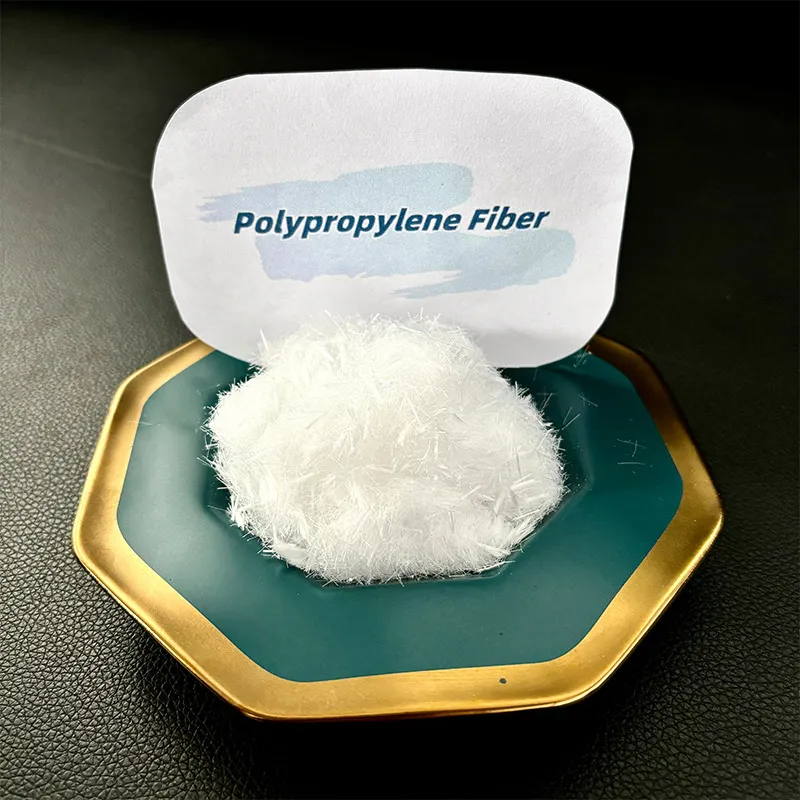
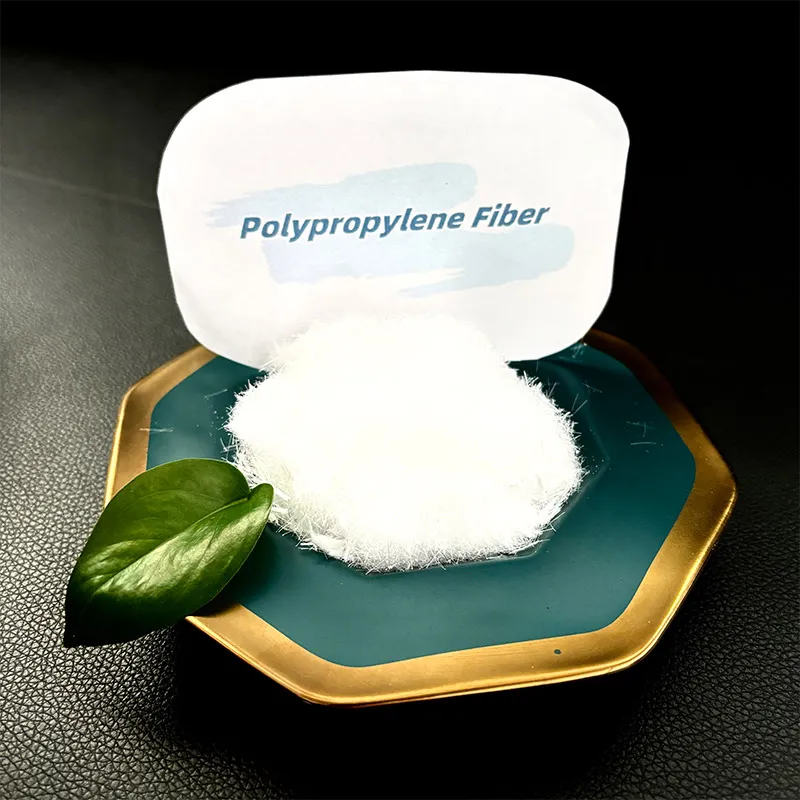
The Role of Polypropylene in Screed Applications Screed is an essential material in the construction -
 nylon_synthetic_material
Oct . 25, 2025
The Role of Manufacturers in the Production of PP Fiber Polypropylene (PP) fiber has gained signific


